

Indoor Activities for 2 – 3 year olds

Toddlers love to play, explore, and learn new things every day. At the age of 2 and 3, children start developing important skills that will help them as they grow. Research from the American Academy of Pediatrics highlights that play-based learning is essential for early childhood development. Engaging in learning activities for 3 year olds strengthens cognitive abilities, motor skills, and emotional intelligence.
At this stage, toddlers become more curious about the world around them. They start recognizing words, shapes, colors, and sounds while enjoying activities like looking at pictures, repeating sounds, and listening to familiar stories. The best learning activities for 2-year-olds are playful and engaging, helping them develop naturally. Singing, drawing, and sorting objects are great ways to build their thinking and motor skills. On days when outdoor play isn’t an option, fun indoor activities can keep toddlers entertained while encouraging their development. Turning everyday moments into learning experiences helps children feel excited about discovery while strengthening their bond with caregivers. Let’s start!
Table of Contents
- Exploring Different Learning Areas for Toddlers
- What Are Literacy Activities for Toddlers & Why Are They Important?
- How Do You Teach Literacy to a 2 – 3 Year Old?
- How Do Learning Activities for 2 – 3 Year Olds Benefit Toddlers?
- 5 Best Learning Activities for Toddlers 2 – 3 Years
Exploring Different Learning Areas for Toddlers
When planning educational activities for toddlers, it’s important to focus on a variety of skills that support their overall development. Activities can include exploring colors, shapes, and numbers, improving fine motor skills through the arts, and encouraging creativity with music and movement. Social skills also play a big role as toddlers learn to share, express emotions, and communicate with others.
Literacy is especially important among all these learning areas because it forms the foundation for future learning. Reading, listening, and recognizing letters help toddlers develop language skills. Making it easier for them to express themselves and understand the world around them. Even before they start reading on their own, exposure to books and storytelling strengthens their cognitive abilities and prepares them for school. That’s why we highlight literacy alongside other essential skills in early childhood development.
What Are Literacy Activities for Toddlers & Why Are They Important?
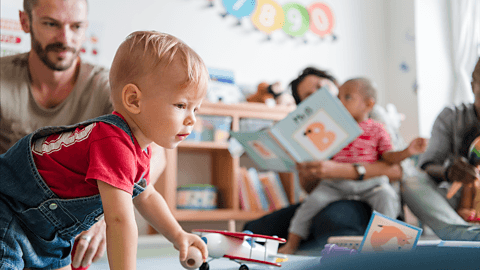
Literacy activities for toddlers support language development, communication, and comprehension. According to the National Institute for Early Education Research, early exposure to books and storytelling significantly improves vocabulary and cognitive development. Reading colorful picture books, singing rhymes, and engaging in storytelling help toddlers make sense of the world around them. These activities also lay the foundation for future reading success by improving phonemic awareness and verbal expression. For more toddler learning ideas, check out our blog on Fun and Educational Things to Do with Toddlers.
Magic Pags is an interactive book tool designed to make reading fun and engaging. It allows children to explore stories in an interactive format, helping to build early literacy skills. Parents can track progress through a parental control. Join testing now and start a free trial!
How Do You Teach a 2-3 Year Old Literacy?
Teaching literacy to toddlers should be an enjoyable experience. Studies from the Zero to Three Foundation suggest that toddlers learn best when literacy is incorporated into daily routines. Talking about everyday activities like cooking, dressing up, or grocery shopping introduces them to new words. Singing rhymes improves memory and listening skills, while interactive books enhance engagement.
How Do Learning Activities for 2 – 3 Year Olds Benefit Toddlers?
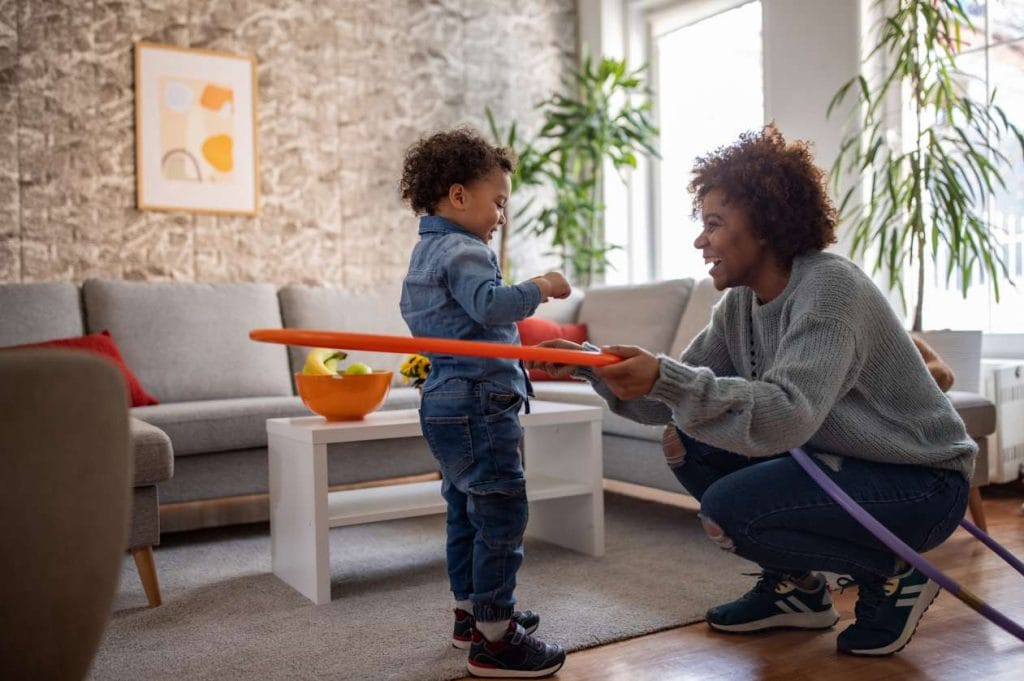
Structured learning activities support a toddler’s cognitive, emotional, and motor development. Hands-on activities enhance problem-solving skills, fine motor coordination, and language development. According to research from Harvard’s Center on the Developing Child, early experiences shape brain development, and children who engage in interactive play show greater cognitive flexibility and social competence.
By incorporating learning activities for 2 – 3 year olds into daily routines, parents can support important skills in a stress-free and enjoyable way. Activities that involve movement, creativity, and storytelling help toddlers build confidence, communication skills, and sensory awareness, which are foundational for future learning.
5 Best Learning Activities for Toddlers 2-3 Years
1. Storytelling and Interactive Reading
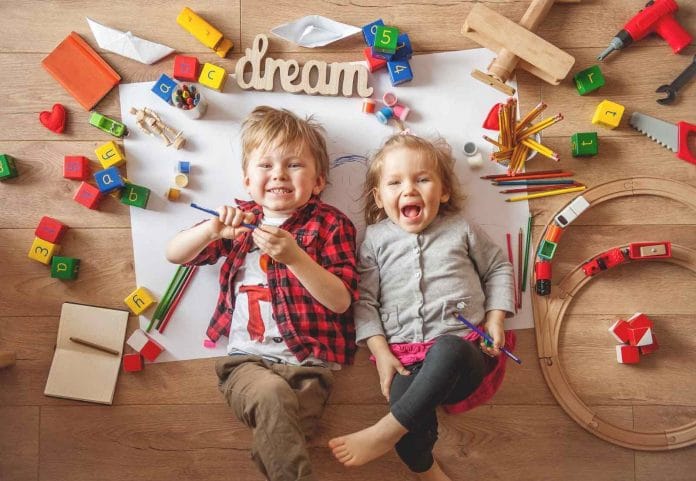
Reading books with your child is one of the most effective ways to improve their language and communication skills. You can make story time more fun by using Emmy-awarded-actor voices and asking toddlers to describe pictures or guess what happens next. This helps them learn new words, understand stories, and use their imagination. Interactive books are also a great way to keep them interested and make reading more exciting.
That’s why Magic Pags is a great choice! These books let toddlers take part in the story, keeping them engaged while helping them learn. With fun activities and interactive features, Magic Pags makes reading a joyful and educational experience.
Read-aloud and interactive reading develop language development, strengthen comprehension skills, and improve listening abilities. Reading together also creates an emotional bond and builds a lifelong love for books. Don’t forget to start a free trial!
2. Sensory Play with Everyday Objects
You can fill a plastic container with rice, pasta, or water beads and let your child explore different textures. Also, you can add scoops and small toys to enhance the experience. Sensory play helps develop fine motor skills, supports problem-solving, and encourages curiosity. This activity strengthens focus and concentration, improves fine motor coordination, and enhances sensory perception.
3. Arts and Crafts for Creativity
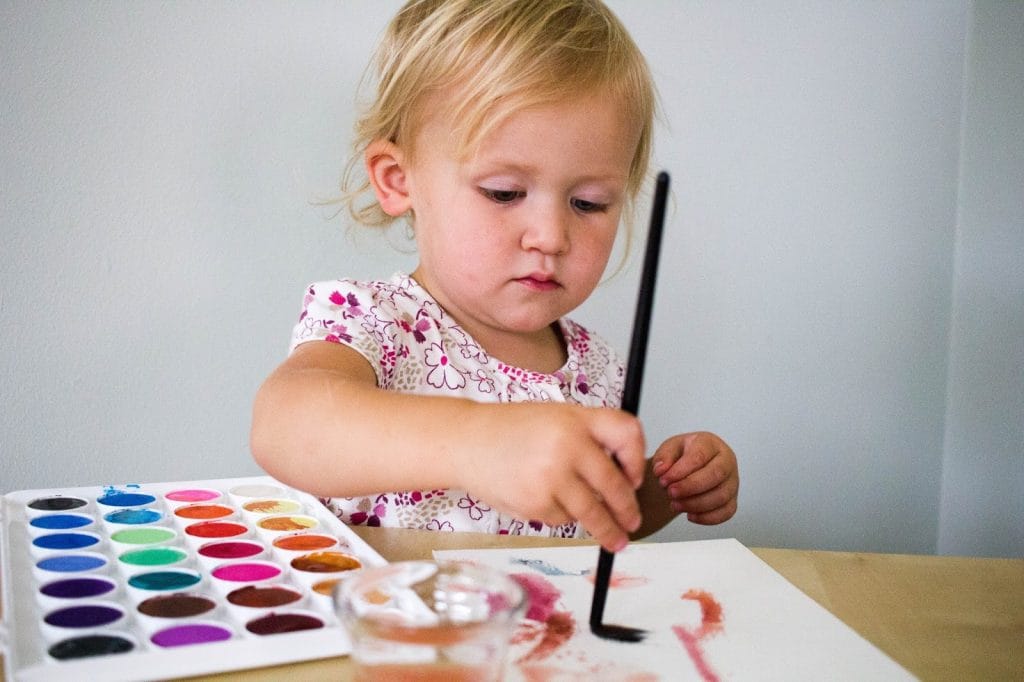
You can give your child crayons, stickers, or child-safe paint and let them create. Tearing paper, sticking cutouts, and finger painting all help develop hand-eye coordination and fine motor skills. Encourage them to describe their artwork to strengthen communication skills. According to child development experts, artistic expression like this activity is linked to improved emotional regulation and self-confidence in young learners.
4. Sorting and Matching Games
You can use colored buttons, socks, or toy blocks and ask your child to sort them by color, shape, or size. This introduces basic math concepts and encourages logical thinking. Games like these help develop problem-solving skills and pattern recognition. This activity improves early math skills, enhances cognitive thinking, and improves focus.
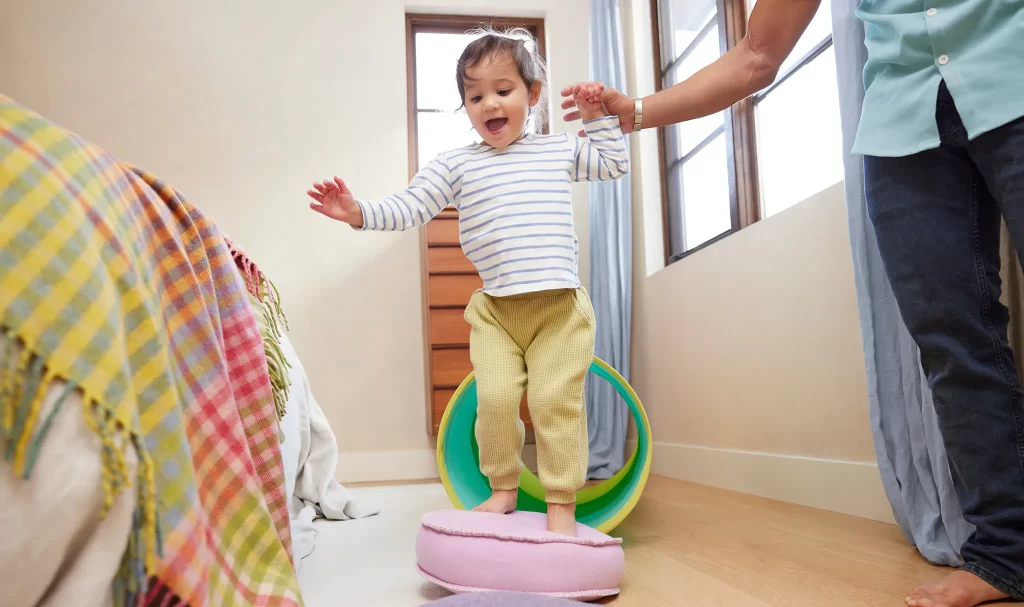
5. Indoor Obstacle Course for Active Play
Let’s use pillows, tunnels, or stepping stones to create a fun obstacle course inside your home. Have your child crawl under tables, hop between cushions, and balance on a line of tape on the floor. This encourages movement and physical activity while teaching coordination. Also, this activity play enhances muscle strength, coordination, and balance, which are essential for physical development. Physical activity is also linked to improved emotional regulation and better sleep quality in young children.
Final Thoughts
Scientific studies confirm that toddlers learn best through play and interaction. Early childhood education is most effective when it is engaging, hands-on, and incorporated into daily activities. Parents can support their child’s development by making learning fun, whether through storytelling, sensory play, or arts and crafts. Learning activities for 2 – 3 year olds create opportunities for exploration, creativity, and skill-building
For those looking for safe educational fun content, independent reading, and parental control to track progress, Magic Pags offers expertly selected read-aloud books that develop independent reading while allowing parents to track their toddler’s progress. Did you know you can get these books with a free trial? Join testing today and make reading an exciting and rewarding experience for your little one.

