

Books for 5-Year-Olds: More Than Just Stories

Spending time with a five-year-old is like watching a story come to life. One moment, they’re a superhero. Next, they’re asking deep questions like, “Where does the sun sleep?” This age is magical but also full of big feelings and new learning.
Books are more than bedtime routines or quiet-time activities. They help little ones make sense of the world. A good story can calm a worried mind. It can spark imagination. And it builds early reading skills without pressure.
At age five, children are growing in so many ways. Their language is blooming. Their emotions are stronger. Their questions are louder. That’s why the books we share with them matter so much.
Studies from the National Literacy Trust show that reading regularly at this age supports stronger speaking skills, school confidence, and emotional development. Even just 10 minutes a day can make a difference.
In this guide, we’ll explore what makes a great book for a five-year-old. We’ll talk about different types of books, what science says about early literacy, and how you can make reading a joyful part of everyday life at home or in the classroom.
And along the way, we’ll show you how today’s books aren’t only on paper. Some are interactive, digital, and designed with care to support how young children really learn.
Table of Contents
1. What Makes a Book Great for 5-Year-Olds?
At age five, children stand at a wonderful doorway. They’re still full of play, but they’re also starting to notice letters, sounds, and feelings in a deeper way. Books at this age should feel like friends. Not too hard. Not too long. Just right for their growing minds.
But what does that mean?
First, the story should be clear. Children at this age love books with a beginning, middle, and end. They want to follow what’s happening, even if they can’t read all the words yet. Repeating words or patterns helps them join in, like a game. That’s why so many early books use rhythm or rhyme; it gives children something to grab onto.
Also, books should match how five-year-olds feel.
At this age, some children are still a little nervous about going to school, saying goodbye, or trying something new. A good story can help them feel safe and understood. A book doesn’t have to solve every problem, but if it says “I see you,” that’s often enough.
Let’s not forget the power of pictures.
Children still rely heavily on images to understand meaning. According to research from Whitehurst & Lonigan (1998), when kids look at both words and pictures together, they learn new vocabulary faster and understand the story more deeply. That’s why simple, expressive illustrations matter so much.
Books with characters they connect to are also powerful. A child might not remember every detail, but they’ll remember how they felt. Did they laugh with the character? Did they feel brave like the character? These moments create emotional bonds not just with the story, but with reading itself.
And one more thing, length matters.
Books that are too long can feel tiring. But short books with strong stories can be read again and again. And that’s a good thing! According to the National Literacy Trust, reading the same book many times helps children notice more details, learn new words, and feel proud of what they remember.
So, what makes a book great for a 5-year-old?
- It makes them feel something joy, curiosity, or comfort.
- It repeats enough for them to join in.
- It shows more than it tells, with strong visuals.
- It fits their attention span but leaves them asking for “one more.”
2. Types of Picture Books for 5-Year-Olds
Not every book looks the same, and that’s a good thing.
Children don’t all learn the same way. Some love to listen. Others want to talk, move, or even act out what they hear. The variety of picture books helps us meet children where they are.
Let’s look at some popular types of picture books and what makes each one special:
Wordless Picture Books
These books tell the story through images alone, with no written words.
For 5-year-olds, this opens the door to creativity. Children get to “read” by looking, pointing, and explaining what they see. It gives them the power to tell the story in their own words, which builds confidence and language skills.
Studies show that wordless books boost oral language, especially when adults ask open-ended questions like “What do you think is happening here?” or “What might come next?”
Rhyming Books
These are books with rhythm, rhyme, and repetition.
Children love patterns. They remember rhymes easily, and repeating lines helps them join in even before they know how to read. Rhyming books also support phonological awareness, which is the skill of hearing how sounds work in words. That’s a big step toward reading fluency.
A great example? Books with phrases like “Hop, hop, hop! Don’t let the balloon drop!”
Interactive Books
These books might ask the child to tap the page, answer a question, or follow a prompt.
Interactive reading keeps kids involved and focused. Even small actions like pointing to a word or touching a picture make reading feel like a game. According to a study from the American Academy of Pediatrics, parent-child interaction during shared reading boosts early brain development and builds stronger language skills.
Emotion-Based and SEL Books
SEL stands for Social and Emotional Learning. These books help kids understand feelings, solve problems, or manage big emotions.
At age five, emotional growth is just as important as academic growth. Stories that reflect a child’s own experiences, like feeling nervous on the first day of school or missing a friend, help them process emotions and build empathy.
STEAM and Curiosity Books
STEAM stands for Science, Technology, Engineering, Arts, and Math.
These books spark curiosity with fun facts, experiments, or questions like “What floats and what sinks?” or “Why do dinosaurs have sharp teeth?” They’re great for children who love to explore and ask “why?”
The beauty of picture books is that you don’t have to choose just one type. You can switch based on mood, energy level, or curiosity. A rhyming book might be perfect at bedtime. A wordless book could fill a quiet afternoon with storytelling. And an interactive SEL book might be exactly what’s needed after a hard day.

3. How Books Help 5-Year-Olds Grow
At age five, children are growing fast, not just in height, but in heart, mind, and language. A good book doesn’t just fill time. It feeds all these parts of a child’s development.
Let’s take a look at how picture books support real growth every time you sit down to read.
1. Building Vocabulary and Language Skills
When children hear new words in a story, they start to use those words in real life. Books introduce them to rich, descriptive language they might not hear in everyday conversation.
For example, instead of just “big,” a book might say “enormous,” “gigantic,” or “towering.” That variety builds a stronger vocabulary.
A study from Oxford University Press shows that children who are read to often have a larger word bank when they enter school and which supports reading success later on.
You can find books that use playful and rich language in the Magic Pags Kindergarten Book Collection.
2. Developing Listening and Attention
Books help children sit, listen, and focus even for a few minutes. The more they practice this during reading time, the better they get at following directions, staying on task, and understanding what others are saying.
Reading together regularly also trains the brain to track stories from start to finish, which builds comprehension skills they’ll need in school.
3. Encouraging Emotional Growth
Books allow children to feel things safely. They can experience joy, fear, sadness, or courage through a character’s journey. That’s how they learn to name and manage their own feelings.
For example, in a story about a shy bear who makes a friend, a child might say, “I feel shy sometimes, too.” These small connections are powerful. They build self-awareness and empathy.
Research from the Center on the Developing Child at Harvard University shows that emotional understanding in early childhood lays the foundation for future well-being.
For books that support social-emotional learning, explore titles like First Day at Preschool: Tim’s Tips on Magic Pags.
4. Boosting Imagination and Creativity
Stories transport children to new places. A rocket ship, a magic forest, or a dinosaur parade. These imaginary worlds stretch their thinking and help them come up with ideas of their own.
When children imagine what’s next or create their own version of the story, they’re building creativity and problem-solving skills. And that’s learning too.
You’ll find books that spark creativity like Hocus Pocus Diplodocus on Magic Pags.
5. Supporting School Readiness
All of these skills, language, listening, emotions, and focus, are part of school readiness. A child who reads regularly at home or in class starts school with more tools: stronger communication, better focus, and a love of learning.
And that’s the biggest gift books give. They help children feel curious, not afraid. Capable, not confused.
4. Paper vs. Digital: What’s Changing?
Books today are no longer just printed on paper. Many families now read stories on tablets, phones, or computers. And while that may feel like a big shift, it doesn’t mean one type is better than the other. What matters most is how a story connects with a child.
Let’s look at how digital picture books compare with traditional paper books and what to think about when choosing.
The Power of Paper Books
There’s something comforting about holding a physical book. Turning the Pags, pointing to pictures, and snuggling close while reading are moments children remember.
Research shows that printed books help children stay focused. A 2021 study published in Pediatrics found that parents and children talked more during paper-book reading compared to tablet reading. This back-and-forth talk is key for early literacy development.
So for bedtime stories, cozy afternoon reading, or quiet routines, traditional books still have a special place.
The Rise of Digital Reading
Digital picture books are growing fast. Why? Because they offer more than just words and images. They can include:
- Audio narration that models how words are spoken
- Animations that bring scenes to life
- Touch-based interactions that invite children to tap, swipe, or play
- Accessibility tools like adjustable font sizes or read-aloud options
These features are especially helpful for children who need extra support. Some children with attention challenges, for example, may stay engaged longer with a story that moves and responds to their input.
The key is choosing high-quality digital books, not noisy apps filled with ads or distractions. The best digital books keep the story at the center and use tech to support learning, not replace it.
A Balanced Approach
You don’t have to choose just one. In fact, using both paper and digital books can be a smart way to meet your child’s needs in different moments.
- Paper books for quiet bonding time
- Digital books for solo exploration, travel, or moments when extra support is helpful
On Magic Pags, you’ll find interactive books designed with educators and literacy experts. Each title includes narration, highlighted sight words, and age-appropriate animations perfect for children ages 3–9 who are learning to read, listen, and explore stories on their own.
5. What Makes a Picture Book Interactive?
An interactive picture book doesn’t just tell a story; it invites children to join in. Instead of sitting quietly and listening, your child becomes part of the action. And when kids participate, they remember more and feel more connected to what they’re learning.
Let’s break down what “interactive” really means in picture books, and how it supports development.
Turning Reading Into a Two-Way Experience
Interactive books ask children to do something. That might be:
- Tapping a character to make them move
- Repeating a phrase aloud
- Guessing what happens next
- Pointing to certain words or pictures
- Answering a question from the narrator
These actions turn passive reading into active learning. And that’s especially helpful for young readers.
Research from the Joan Ganz Cooney Center shows that digital books with supportive interaction, like prompts, narration, and meaningful animations, can improve vocabulary, comprehension, and engagement. But the key is balance: too many distractions can do the opposite.
Supporting Multiple Learning Styles
Children learn in different ways. Some need to hear, others need to touch or see. Interactive books help meet those needs by:
- Offering audio narration for auditory learners
- Using highlighted words and animations for visual learners.
- Adding taps and swipes for kids who learn by doing
When done right, interactive books feel more like a game than a lesson, but the learning still happens.
Fostering Independence and Confidence
Interactive digital books also give children a chance to read “by themselves,” even if they’re not yet decoding every word. They can listen to the story, follow along, and explore at their own pace.
That sense of independence can be powerful. It builds confidence and encourages kids to read more often.
On Magic Pags, each interactive book is designed to support this kind of self-paced learning. For example, children can tap words to hear them spoken, follow along with highlighted text, and enjoy animations that bring the story to life without getting overwhelmed or distracted.

6. Choosing the Right Picture Books for Your Child’s Age
Not all books fit every child the same way. A story that excites a 3-year-old might feel too simple for a 7-year-old and vice versa. The right picture book meets your child where they are, and gently helps them grow.
So how do you choose a picture book that’s just right for your child’s age?
Ages 3–4: Repetition, Rhythm, and Familiar Things
At this age, children love books with predictable patterns, sing-song rhymes, and simple, familiar topics like bedtime, animals, or family.
Books for toddlers should have:
- Repetitive phrases (“Brown bear, brown bear, what do you see?”)
- Clear, colorful illustrations
- Simple emotions and actions
- Short, rhythmic sentences
These help toddlers develop language and feel confident predicting what comes next.
Ages 5–6: Problem Solving and Emotional Learning
Five- and six-year-olds are starting school. They have big feelings, lots of questions, and stronger attention. They’re ready for:
- Books with a beginning, middle, and end
- Stories about friendship, school, bravery, or trying something new
- Sight words and early reading patterns
- Opportunities to talk about how characters feel
Books like What Floats a Boat? are wonderful for helping children connect new words with real-world ideas. This playful story explains why some things sink while others float using familiar objects and simple language that makes science fun and easy to remember. It’s also full of repeated phrases that support sight word development without feeling like a lesson.
Another great choice is What Is a Gassy Giant?, which explores space through friendly narration and colorful visuals. Children meet the giant planets and learn fascinating facts while encountering sight words in a natural flow. This kind of story works well for both bedtime reading and interactive practice.
For children who are growing more curious, A Star’s Life adds emotional depth. It follows the journey of a star from birth to transformation helping children understand big ideas like change and time, all in a gentle, age-appropriate way. It also introduces new vocabulary in a way that respects their growing minds, while keeping the tone warm and imaginative.
Let Your Child Lead, Too
Sometimes, the best book is the one your child picks. Maybe it’s “too easy.” Maybe it’s one they’ve read 20 times. That’s okay. Rereading builds fluency and confidence.
And if they’re not into a book? Don’t force it. Reading should feel joyful, not like homework.
If you’d like to explore book options by age, theme, or learning goals, the Magic Pags Book Collection is organized for parents and teachers. Every book is tagged with the right age range and educational value, so you can choose what fits best.

The book follows a fun, relatable voice that asks everyday questions like “Why does ice melt?” or “Where did the bubbles go?” These gentle questions spark curiosity while helping children see science all around them in their juice, their toys, and even the air they breathe.
Educational Value:
Introduces early science concepts in a friendly, non-intimidating way
Builds vocabulary around solids, liquids, and gases
Encourages children to observe and ask questions about the world
Supports early literacy with clear sentence structures and repeated phrases
7. Why Picture Books Still Matter in the Digital Age
Screens are everywhere. From phones to tablets, kids today are growing up with digital tools as part of daily life. So it’s easy to wonder: Do traditional picture books still have a place? The answer is a big yes, and here’s why.
Picture books aren’t just about reading. They’re about connection.
When you read a picture book with a child, you’re not just showing them words on a page. You’re building shared moments, having little conversations, asking questions like “What do you think will happen next?” or “How does she feel?” These interactions help children grow emotionally, socially, and cognitively.
Even as digital books become more common, the magic of turning real pages, spotting hidden details in the illustrations, and hearing a loved one’s voice reading aloud still matters. That’s why many families continue to keep print books as part of their routine, even if they also explore digital options.
But the good news? It doesn’t have to be one or the other.
Interactive digital picture books (like the ones on Magic Pags) are designed to bring together the best of both worlds. They support early literacy with read-aloud features, highlight important words, and often include animations or sound effects that capture attention without overwhelming the story.
In short, picture books, whether on paper or screen, still have the power to spark imagination, comfort worries, and build strong literacy foundations. It’s all about how we use them.
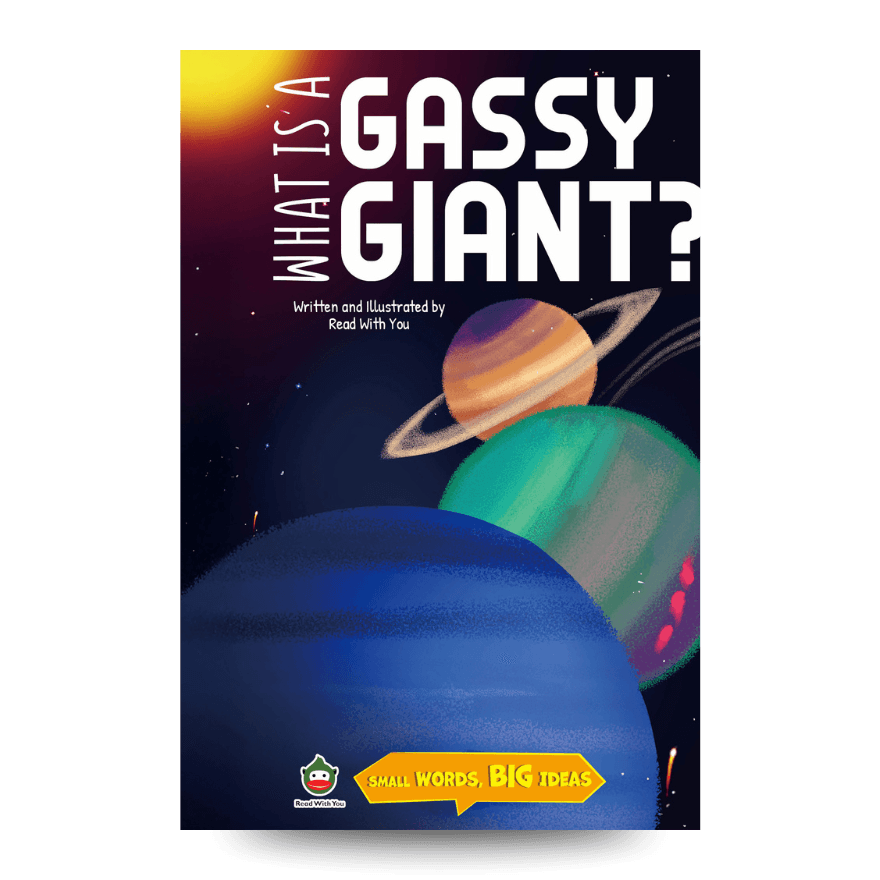
In this story, two children — Ella and Milo — gaze at the stars one evening and spot a swirling planet full of bright colours. They soon learn that this planet is a “gas giant,” unlike Earth in many ways. Deep inside hides a tiny rocky core, and the outer parts form from swirling gases. As the pages turn, kids discover fun science facts like how some planets might even rain diamonds deep under their clouds!
Why it’s great for kids:
It turns big ideas about space into simple, playful language children can follow and enjoy.
It builds vocabulary: children learn words like “planet,” “gas,” “core,” and “storm” in a fun, story‑driven way.
8. Exploring Interactive Picture Books on Magic Pags
Let’s say your child loves stories but also loves screens. You want reading time to feel like play, not a chore. This is where interactive books on Magic Pags come in.
Magic Pags offers a growing library of read-aloud, ad-free, interactive picture books made for children ages 3–9. They’re designed to feel like traditional stories with a bit of extra magic to support learning and joy.
But what really sets them apart?
Made for Growing Readers
Each book is created with literacy experts, so it’s more than just fun; it’s educational, too. You’ll find:
- Narration that models fluent reading
- Highlighted sight words for easy recognition
- Tap-to-hear words that boost vocabulary
- Age-based categories that grow with your child
- STEAM and SEL story themes that build curiosity and empathy
And no ads, no distractions, just stories your child can enjoy safely and independently.
A Library That Adapts to You
You can explore books based on:
- Reading level (ages 3–9)
- Learning goals (vocabulary, science, kindness, resilience)
- Interests (pirates, animals, school, magic, dinosaurs…)
Parents can also use the Parental Dashboard to track which books were read, how long kids engaged, and what topics they’re drawn to most.
Whether it’s part of a classroom routine or a bedtime ritual, these books are built to fit naturally into daily life while quietly reinforcing the science of reading.

Children follow the story of how the sun helps plants grow, how animals rely on plants, and how the cycle continues. The language is easy to understand, but still full of wonder. It helps children see the bigger picture of how life works, all while building reading confidence.
Educational Value:
Introduces early STEM ideas like ecosystems, life cycles, and energy
Encourages children to observe the world around them
Builds vocabulary with words like “sunlight,” “grow,” “life,” and “circle”
Supports reading comprehension with simple, clear sentences and helpful visuals
9. Final Thoughts
Reading isn’t just a skill it’s a journey. And picture books are often where that journey begins.
They hold a child’s hand through first words, big feelings, silly laughs, and thoughtful questions. Whether printed or digital, quiet or interactive, these stories help children feel seen, understood, and curious.
As parents and teachers, we don’t have to choose between tradition and technology. We can use both to support learning. A paper book at bedtime. A digital read-aloud on a busy day. A story that teaches kindness. A page that sparks a science question.
Every reading moment adds up.
If you’re looking for interactive picture books that are joyful, educational, and easy to explore, Magic Pags is a great place to begin. You’ll find books made with care, books that grow with your child and support you, too.
Because stories don’t just teach kids how to read.
They teach them how to understand the world and themselves.


