

Sensory Play: A Simple Guide for Parents and Teachers

Let’s talk about something small but very powerful: sensory play. You might have heard this term before. Maybe at a parent group, or maybe from your child’s teacher. It sounds like fun. But there’s more to it.
Sensory play means using the senses. Touch. Smell. Sight. Hearing. Taste. Even movement and balance. It helps babies and children explore the world. And it’s more than just play. It’s a way to learn.
In this blog, we will explore what sensory play really means. We’ll also look at how parents and teachers can use it, from babyhood to preschool years.
And suppose you’re on the lookout for playful ways to support sensory development at home or in the classroom. In that case, Magic Pags offers a lovely range of interactive books and tools designed to spark curiosity through touch, sound, and storytelling.
What is Sensory Play?
Sensory play is any kind of activity where children use their senses to explore and learn. This includes seeing bright colors, hearing sounds, feeling different textures, smelling scents, or tasting new flavors. It also includes movement and balance.
Sensory play is not just fun. It builds connections in the brain. It helps children understand the world and how it works. According to the Cleveland Clinic, it supports brain development, helps with problem-solving, and encourages creativity.
When children play in this way, they are also learning language, practicing focus, and expressing emotions. Sensory play gives them a safe way to explore their environment with confidence.
Why is Sensory Play Important?
Sensory play helps children in many ways. It helps with thinking, language, social skills, and motor skills. Through these activities, children learn how to solve problems, understand new ideas, and calm their emotions.
Jean Piaget, one of the most famous child development experts, said that play is how children learn. His theory showed that children move through stages of learning, and sensory play supports these stages. It gives the brain the experiences it needs to grow.
Research from Partou shows that sensory play is especially helpful for children who are shy or have trouble talking. It helps them express themselves in new and creative ways.
When Can You Start Sensory Play?
Sensory play can begin in the first months of life. Even very young babies use their senses all the time. They listen to their parents’ voices, feel blankets, and look at lights and faces.
You can start simple activities like showing black and white patterns or gently rubbing a soft cloth on your baby’s skin. As your baby grows, you can add more experiences like soft music, textured toys, or water play. The earlier you start sensory play, the better it supports growth and development.
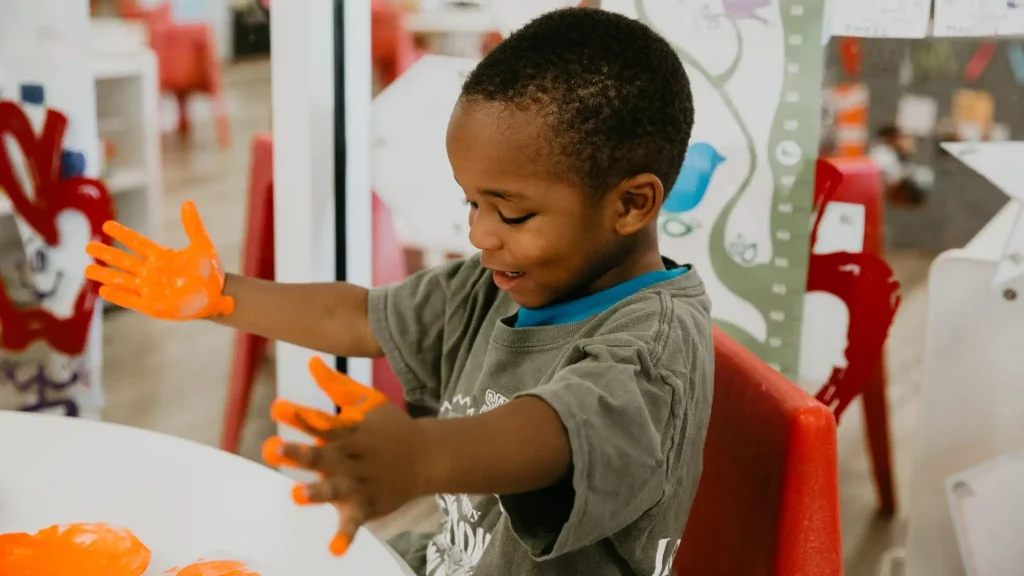
What Sensory Play Activities Can Parents Do at Home?
You don’t need to buy expensive toys. Sensory play at home can be easy and fun. You can use things already in your kitchen or living room.
Let your child play with water in a shallow bowl. They can use plastic cups or spoons to scoop and pour. You can also try dry rice or pasta in a container. Let your child touch and move it around. Add a few small toys or tools to keep it interesting.
Even something as simple as playing with shaving cream on a tray helps. Your child can draw shapes with their fingers. If your child is very young, make sure everything is safe and taste-friendly. Look for edible sensory play ideas if your baby still puts things in their mouth.
Sensory Play for Babies
Babies learn through their senses every day. Sensory play for babies can be very gentle and safe.
You can offer soft fabrics to touch. Show them objects with bright, high-contrast colors. Let them listen to calm music or soft rattles. Babies also enjoy looking at mirrors and seeing their reflections.
Always stay close to your baby during sensory play. It should feel calm and safe. These early sensory experiences build trust and help your baby feel connected to you and their environment.
Sensory Play for Toddlers
Toddlers are curious and love to explore. Sensory play for toddlers should allow movement and hands-on discovery.
Try letting your toddler play with sand or water. You can use containers, cups, or funnels. Let them try different textures like smooth stones, squishy dough, or soft sponges. Give them scented items like herbs or citrus fruits to smell while they play.
Toddlers enjoy taste-safe sensory play too. You can use mashed banana, jelly, or whipped cream. They love to get messy, and that’s okay. This kind of play helps them develop strong sensory skills and confidence.
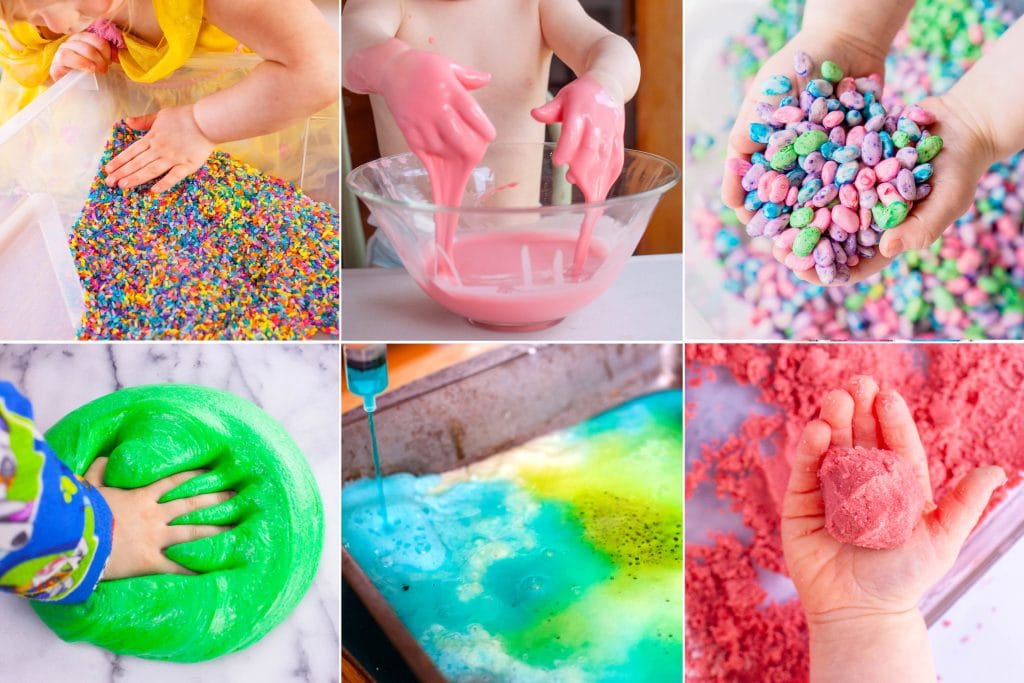
Sensory Play for Preschoolers
Preschoolers are ready for more creative sensory play. They like to build, mix, sort, and create. They can also begin talking about how things feel, look, or sound.
You can offer materials like playdough, paint, or kinetic sand. Let your child use their hands to create shapes and designs. Add small tools or natural items like leaves and shells.
You can also try music-based sensory play. Give your preschooler simple instruments or play different types of music. Ask them how the music makes them feel. These activities support early learning and prepare them for school.
What Are the Characteristics of Sensory Play?
Sensory play has a few clear traits. It is open-ended. This means there is no one right way to play. Children choose what to do and how to do it.
It is also engaging. Children become fully focused. They are active learners, not just watchers. Sensory play supports emotional growth too. It helps children feel calm and happy, especially during stressful times.
Jean Piaget believed that sensory play is how children store and understand knowledge. The experiences they have while playing build strong mental pathways for future learning.
Final Thoughts
Sensory play is more than just a fun way to pass time. It is a powerful tool for growth, learning, and emotional well-being. From infant sensory play to sensory play for toddlers and preschoolers, each stage builds a foundation for healthy brain development.
Whether you are a parent, a teacher, or a caregiver, you can support a child’s journey through simple, creative activities. You don’t need fancy tools. You only need love, safety, and a bit of time.
If you’re looking for more ways to bring sensory play and learning together, by joining the Magic Pags testing program, parents and teachers can access a free 3-month trial and track children’s progress Join testing today. You’ll find interactive books, age-based learning activities, and content designed to support early childhood growth with a strong educational foundation.
As Jean Piaget once said, “Play is the work of childhood.” Sensory play makes that work joyful, meaningful, and full of wonder.

